COUPSYL® WRS is a methyl siliconate-based water repellent that penetrates and protects surfaces like stone, brick, and wood. It provides self-cleaning properties and prevents water penetration and efflorescence on building facades.

COUPSYL® WRS is a methyl siliconate-based water repellent that penetrates and protects surfaces like stone, brick, and wood. It provides self-cleaning properties and prevents water penetration and efflorescence on building facades.
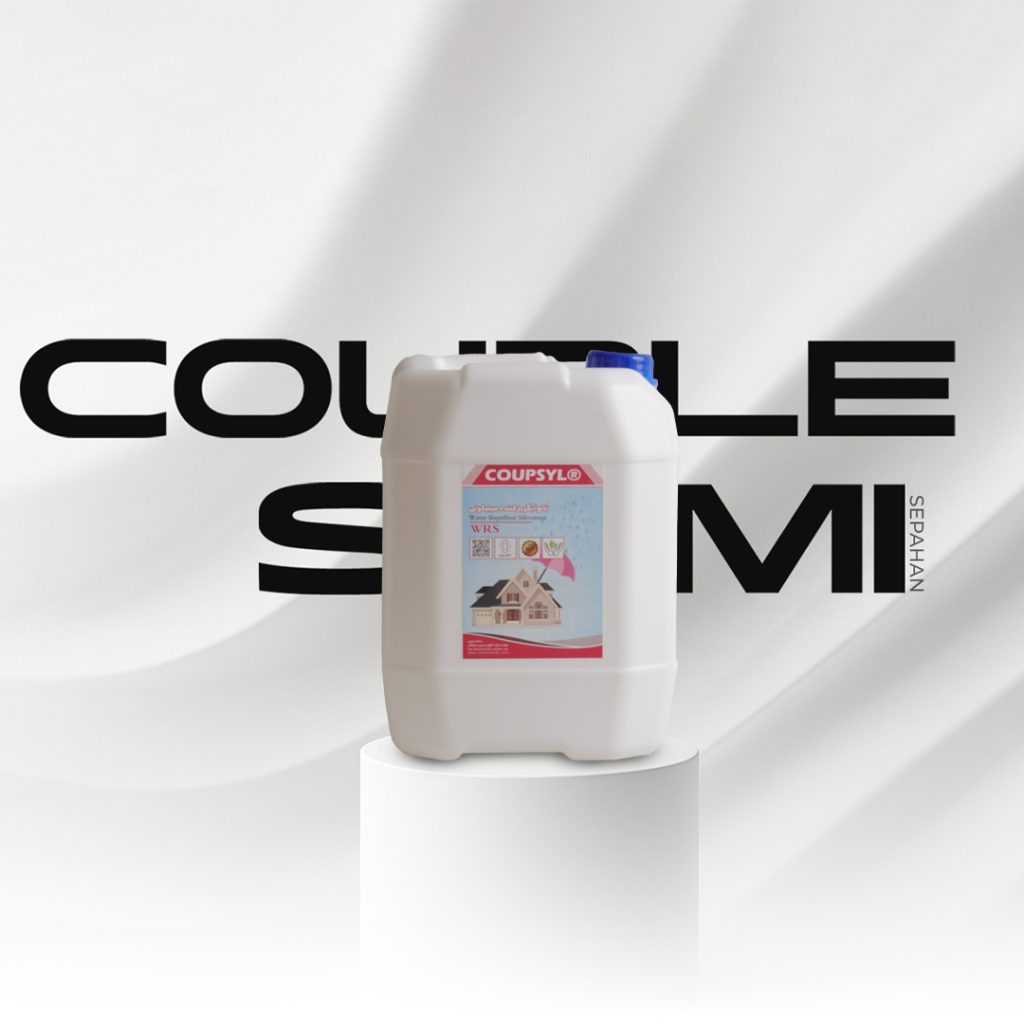
COUPSYL® WRS is a methyl siliconate-based water repellent that penetrates and protects surfaces like stone, brick, and wood. It provides self-cleaning properties and prevents water penetration and efflorescence on building facades.
Penetration strength from 5 to 10 mm in concrete, plaster, brick and etc.
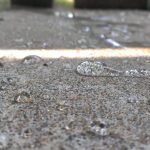
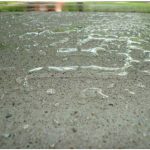
Create self-cleaning properties
Stable in different climate conditions
Being Lithium-based and high penetration power.Fully absorbent and penetration power up to 5-10 mm in concrete. Permanent durability and stability .Improve the abrasion resistance of concrete surfaces. Being water-based and with petroleum solvents (environmentally friendly) . Nonflammable
Water repellent of plaster, cement, brick, wood surfaces and all construction materials
Water repellent of building facades, cement cladding of bricks and tiles – ceramics
Removing efflorescence from concrete, all kinds of stones from Travertine to Gohare, marble, streaky granite, all kinds of bricks, types of mosaics and etc.
COUPSYL® WRS water repellent must be diluted with distilled water in a volume ratio of 1 to 20 before use. It can be applied to the surface with a low-pressure pump (all-plastic spraying pump) or a brush. (For more information, refer to this product manual file.)
COUPSYL® WRS water repellent must be diluted with distilled water in a volume ratio of 1 to 20 before use. It can be applied to the surface with a low-pressure pump (all-plastic spraying pump) or a brush. (For more information, refer to this product manual file.)
Keep in a sealed container, dry and low light environment at a temperature of 5-30 degrees Celsius. In case of contact with skin, wash immediately with plenty of water. Immediately see a doctor if swallowed. This solution is free of hazardous evaporative and non-flammable materials.
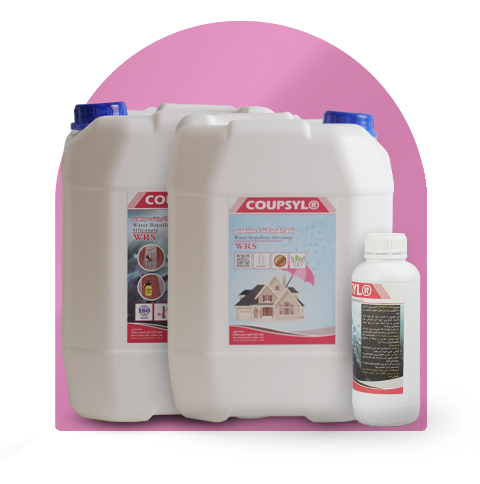
COUPSYL® WRS water repellent is offered in 1 and 25 kg plastic barrels. Due to the absorption of atmospheric carbon dioxide by this material, it must be stored in a sealed container.
Fully absorbent and not create a film and layer on the surface
Very easy to apply
Being water-based and not containing toxic chemicals and petroleum solvents.
Prevents the growth of fungus, moss and lichen on the surface
Due to the hydrophobicity of the surfaces on which these materials have been applied, it is not possible to use water-based coatings.

Appearance
Transparent liquid
Purity
98≥
pH
12-14
Density
1.3
Solid percent
42±1 WT
Purity
|
98≥
pH
|
12-14
Solid percent
|
42±1 WT
Density
|
1.3
Appearance
|
Transparent liquid
Frequently asked
questions
Find clear answers to common questions about application, performance, and technical details so you can choose with confidence.
COUPSYL® WRS is a clear, colorless liquid based on methyl siliconate. It has a purity of ≥ 99%, a high pH of 13–14, and a density of 1.3 g/cm³. The product contains 42 ± 1 wt.% solids. It is stable under normal conditions but reacts with acids, ammonium salts, reactive metals, and certain organic compounds.
When handling COUPSYL® WRS, it is important to wear chemical safety goggles, protective clothing, chemical-resistant gloves, and rubber boots. These precautions help prevent skin and eye irritation and reduce the risk of exposure to this highly alkaline material.
Eye contact: Rinse immediately with plenty of water for at least 15 minutes and seek medical attention.
Skin contact: Wash the affected area with plenty of water and remove contaminated clothing.
Inhalation: Move the person to fresh air and seek medical assistance if symptoms persist.
Ingestion: Do not induce vomiting; seek immediate medical care.